 Print
Print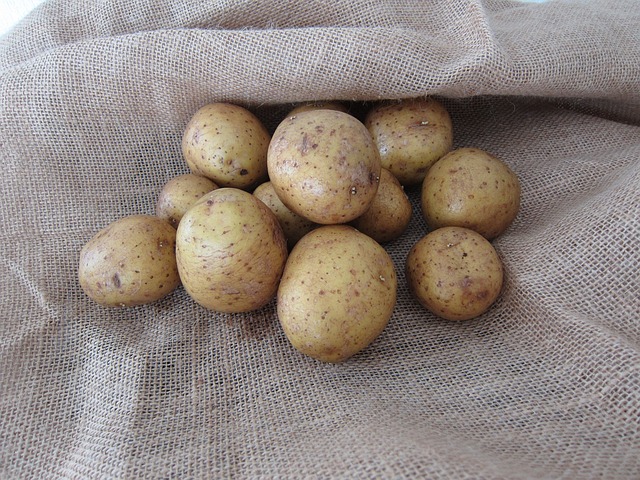
Did you know that you can grow potatoes in a container with just a little bit of soil and a whole bunch of straw? You bet you can. Using straw has a couple of huge benefits: the container remains light and easy to move around, and it’s easy to harvest early potatoes without disturbing the plant and the rest of the tubers.
Preparing The Seed Potatoes
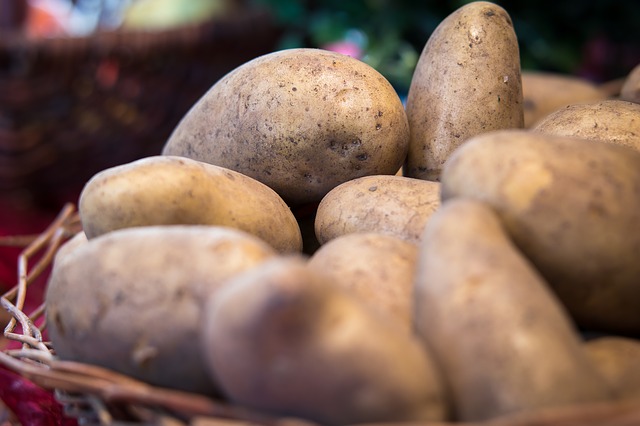
One of the most important steps is choosing the correct variety of seed potatoes. Late-season cultivars work best because they will continue to set tubers as the plants grow taller, unlike early-season potatoes, which set tubers only once. There are a lot of fantastic late-maturing varieties to choose from. Kennebec and German Butterball are popular late-season varieties, but you also can switch it up and try cultivars like Russian Blue or All Blue (which have blue flesh) or the Purple Peruvian, which is a purple-fleshed fingerling variety. Whichever kind you choose, it’s best to use seed potatoes. If you saved potatoes from last year’s crop for seed, you’re ahead of the game. If you don’t have your own seed, buy them from a reputable seed company to ensure that your own potato crop is disease-free. It’s not recommended to plant store-bought table potatoes.
Looking For Potato Seeds? Get Them From A Company You Can Trust!
When planting a potato, the most important part is the eye — the indentation on the surface of the potato skin where sprouts pop up. Larger potatoes have a number of eyes. While you can plant a whole potato of any size, it’s more cost-effective and productive to cut larger ones up, leaving one to two eyes on each piece. It’s possible to start potato plants from potato peels that have eyes, but for best results keep each cut piece to roughly the size of an ice cube or small egg.
If you plant freshly cut potatoes, they may rot. It’s best to let the cut parts “scab over” before planting. Just spread the cut pieces out and allow them to sit for a day or two. The flesh of the potato should dry up a bit. If they turn black or start to mold, you should cut up new seed pieces.
Preparing The Container For Planting
Tall containers work best for this project. Use things like tall tote boxes, garbage cans, bushel baskets, and five-gallon pails. Extremely soft bags probably won’t work since the straw won’t support the sides very well, but sturdy grow bags should do just fine.
Start with about an inch of small gravel at the bottom of the container. Cover that with about four inches of container soil that has been amended with a little bit of compost. Water the soil and let it drain before planting. It should be moist but not soaking wet.
Once you’re ready to plant, place your seed pieces on the soil, with the eye/sprout facing upwards. Aim for about eight inches between each seed piece. The seed pieces only need to be covered with about a half inch of soil. Once the soil is in place, cover it with about six inches of weed-free straw. Do not pack the straw in. Keep it loose.
The Growing Stage
While you wait for your potato plants to grow tall enough to poke out of the straw, keep the sunlight and moisture levels regulated. The container is nice and light, and easy to move around so that it gets as much sun as possible. The straw acts as mulch and keeps your soil from drying out. It’s important to not overwater potato plants or they will rot. Just stick your hand in through the straw to see how dry the soil is, and water right through the straw as needed.
It should take about three weeks for your potato plants to start showing. Once they start peeking through, add about another four inches of straw. This encourages the plants to keep growing taller, and as they grow taller, they will set out more tubers. Once the plants poke through this second layer, you can add another four to six inches of straw.
Harvesting
You can start checking for new or baby potatoes about eight weeks after planting. Potatoes are super-easy to locate and harvest when you grow them this way. Just stick your hand into the loose straw and gently feel around for potatoes that are large enough to pull out. If you are helping yourself to potatoes as the plant keeps producing, there probably won’t be a lot left when the plant dies back. But once the plant starts turning yellow and withering, it’s time to finish the harvest.
Potatoes are not fussy plants. They are generally easy to grow and it’s fun to try the different varieties. Growing them in a container with straw makes it easy to enjoy fresh homegrown food in the depths of winter. Wouldn’t fresh baby potatoes, steamed, and served with butter and dill, hit the spot right about now? I think so!
Have you ever grown potatoes indoors? Share your tips in the section below:
Bust Inflation With A Low-Cost, High-Production Garden. Read More Here.