 Print
Print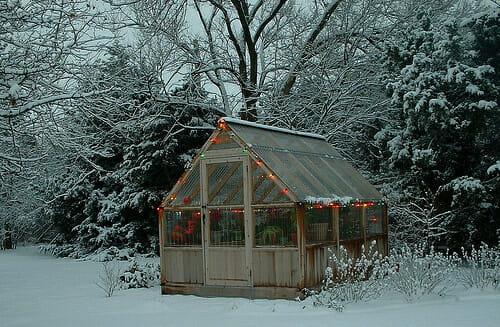
Depending on where you live, it may be too late to start on a winter garden at this time, but it is never too early to plan for next year. So get out your graph paper and colored pencils and take in the info to come.
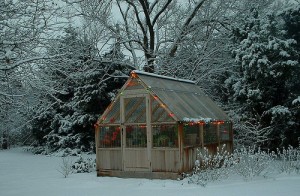 Why should you plant crops for winter harvest? Aside from the cost of fresh vegetables in the dead of winter, you just might like getting a bit of outdoor activity in a season where we are more inclined to hibernate. Don’t put those garden tools away just yet, as there’s more fun waiting just outside your door.
In mild climates (those zones higher in number, 8-13), you can plant veggies June through September that will be harvested October through April. Some things you will need to consider are dampness prevention, green house growing, raised beds, mulching, cover crops or green manures, and crop rotation.
Dampness Prevention – In wet climates dampness can be a hazard to your winter garden. It makes a fertile environment for fungi and molds. Leafy greens are highly vulnerable. For example, escarole can handle temperatures below 10° F, but it rots quickly when it is damp continually. The solution is raised beds combined with a plastic mini tent (cloches) or PVC hoop house.
Raised beds need not be imposing structures. They can be built simply with wood or plastic lumber made for this or even bales of hay outlining your area. Mark out your bed areas, lay newspaper or weed reducing fabric in the designated areas, and frame them in the manner you have chosen. If you want the paths between beds to be lower, you can shovel dirt from pathways into the beds. Fill beds with dirt to at least eight inches of soil and organic matter (leaves, etc.) and rake level. If you don’t step into beds or leave them bare in the winter, they will not need to be rebuilt for years.
Cloches – These can be built easily from many things. One easy way is to use ½ inch PVC pipe and a 10’x20’ sheet of clear plastic at least 3-mil thick. Cut PVC pipe at a 45° angle to make point at each end. Push the ends into the soil, making half circles above rows or beds every three to four feet. Lay plastic over the framework. Either weight the plastic with rocks, etc., or you can buy cloche clips from a garden center. Leave one end of the cloche open for air circulation. Hoop houses are just large cloches. They are a bit more complex to make, but they allow better air circulation and will allow you to harvest your crops in a storm without getting wet. Cold frames may also lengthen your growing season.
Mulch – This serves several purposes. It prevents soil compacting caused by winter storms. It keeps soil temperatures even and allows you to access root veggies. It also inhibits weed growth. Mulch is necessary if you live in areas where the ground freezes regularly in winter. It traps layers of air above ground level, providing your garden with great insulation. Mulch should be removed in late winter or early spring to allow the soil to warm and to keep from depleting the necessary nitrogen from your plants.
Green Manures (Cover Crops) – Developing a garden rotation schedule is key for having a winter garden and using cover crops. It can be done with proper planning.
What to Plant
Late-Maturing Crops – Approximately 90 days to maturity. Plant by mid-July for a fall harvest or later for a spring harvest.
Root Veggies:
- Beets
- Carrots
- Parsnips
- Rutabagas
- Globe Onions
Leaf Veggies:
- Brussels Sprouts
- Cabbage
- Cauliflowers
- Fava Beans
Mid-Season Crops – Approximately 60 days to maturity. Plant by mid-August for a fall harvest or later for a spring harvest.
Root Veggies:
- Early Carrots
- Leeks
- Turnips
- Kohlrabi
Leaf Veggies:
- Early Cabbages
- Winter Cauliflower
- Collards
- Perennial Flowers
- Perennial Herbs
- Swiss Chard
Early Maturing Crops – Approximately 30 days to maturity. Plant by mid-September, although it can be later for warmer climates, late frosts, or protected plants.
Root Veggies:
- Chives
- Bunching Onions
- Radishes
Leaf Veggies:
- Broccoli
- Cover Crops
- Leaf Lettuces
- Mustard
- Spinach
- Lawn Seed
These lists may not be complete, so check with the agricultural extension in your area for more information. Happy gardening!
REFERENCES:
https://westsidegardener.com/howto/cloche.html
https://westsidegardener.com/howto/hoophouse.html
©2011 Off the Grid News