 Print
Print
The centuries-old German gardening technique of hugelkultur imitates forest growth, using rotting wood to supply green growth with water, nutrients, beneficial bacteria and fungi. Using hugelkultur practices in tubs, you can produce tasty winter greens. This simple approach fertilizes your plants, places quality bacteria and fungi in your container’s soil, and helps retain water for your growing greens.
The craft of hugelkultur gardening starts with a healthy mound of partially rotten wood about 40 inches wide by any length you wish, using large wood chunks with smaller branches to fill in spaces between the bigger pieces of wood. Compost, grass clippings, tree leaves and topsoil are added, resulting in a mound approaching five feet in height, with two slopes at roughly a 65 to 80 percent grade.
Looking For Non-GMO Vegetable Seeds? Get Them From A Company You Can Trust!
The decaying wood at the base of the hill releases nutrients for plants growing on top of these mounds. Heat also comes from the rotting process, boosting soil temperature. Half-rotten wood acts like a sponge, soaking up water, which is then accessed by your plants’ tap roots. The hill’s surface area gives gardeners three times the garden space on soil and requires no tilling. Hugelkultur is a very popular gardening technique for permaculture enthusiasts.
Hugelkultur in a Tub
When transferring hugelkultur to containerized gardening, the hill concept is eliminated, because there isn’t enough space in an average tub to construct a mound as described above. But all of the other hugelkultur advantages are enjoyed. Here’s how it’s done:
- Obtain several plastic totes or tubs. I bought mine for a buck each at a local Salvation Army secondhand store. Mine are 21 inches long, 16 inches wide, and 16 inches high.
- Drill 1-inch diameter holes in the bottom. I drilled 5 or 6 holes.
- Cover the inside of each hole with a 2-inch-square piece of fiberglass screening material.
- Fill about 4-5 inches of the bottom with rotten deciduous wood. An oak/hickory forest on my land supplies me with an abundant supply.
- Add about 1-2 inches of grass clippings, which will compact. I added ground-up autumn leaves, but this is optional, according to the season.
- Next, add 3-4 inches of compost. My compost includes decayed vegetation and monthly additions of chicken manure coming from cleaning out a coop where a dozen chickens roost every night. I have multiple compost mounds that sit a year prior to use.
- Since my soil tends toward the acidic side on soil pH levels, I added about ½-inch of hardwood wood ash, which sweetens, or boosts the soil’s pH to a more neutral level. Lime does this, too, but since I burn wood for heat, I have plenty of free wood ash. This step can be omitted if your topsoil contains a neutral pH level, determined by a pH kit or an electronic pH reader.
- Fill to the top of your tote or tub with topsoil, either purchased from a nursery, or from your own weed-free home source.
What to Plant in Your Hugelkultur Tub
Once your containers are filled, plant seeds of your favorite winter greens and watch them grow. Cold-hardy plants are desirable for growing greens through the winter. Plants that can grow in cold temperatures include winter spinach, winter lettuce, arugula, Asian greens (tatsoi, dwarf bok choy, Chinese cabbage, and mizuna or Chinese mustard), chard, kale, and mâche or corn salad. I grow kale, winter lettuce, and Fun Jen, a mild-tasting Chinese cabbage in my hugelkultur tubs.
This New All-Natural Fertilizer Doubles Garden Production!
I learned the importance of cold-hardy plants the hard way. A summer lettuce variety turned into little brown crusty wisps as soon as freezing temperatures infiltrated the top of the tub. I got a couple of tiny bits from radishes that I planted in a hugelkultur tub, but most of the radish plants turned into brown mulch, too, after a cold snap.
Protect Your Winter Greens
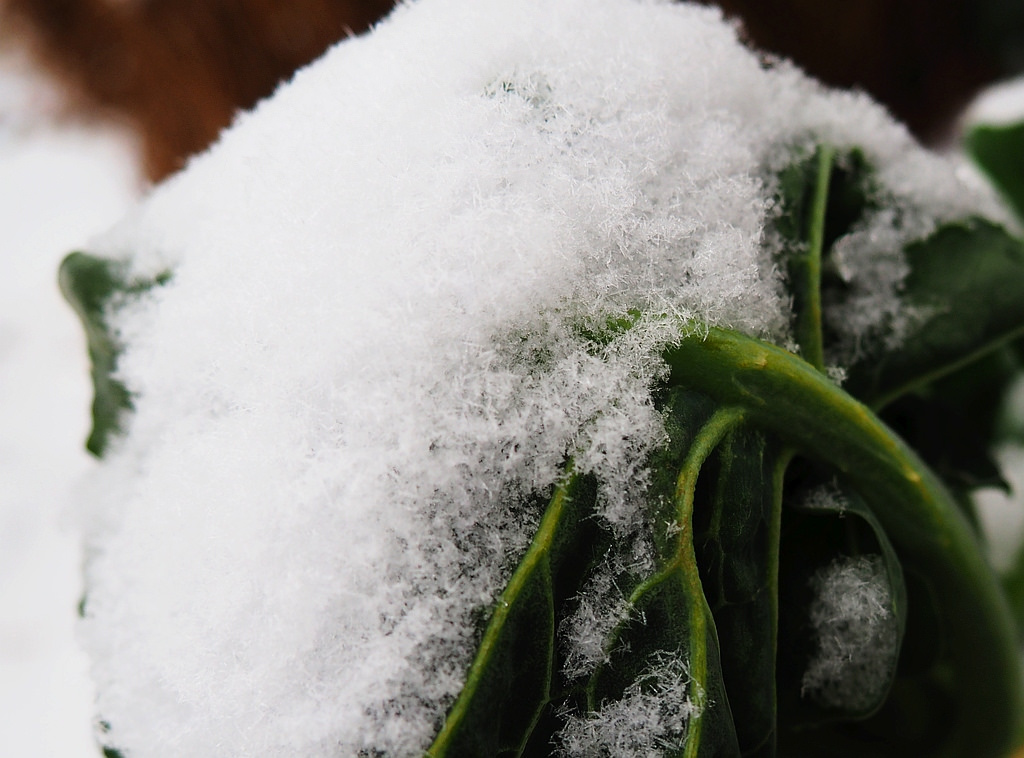
Even though some heat is generated by hugelkultur planting practices, greens survive winter better when grown under the protection of a greenhouse, a hoop house or tunnel, or a mini-hoop house or mini tunnel. I protected my winter greens during sub-freezing temperatures inside a mini-hoop house, with supplemental floating row covers through sub-zero temperatures.
What advice would you add? Share it in the section below:
Bust Inflation With A Low-Cost, High-Production Garden. Read More Here.