 Print
Print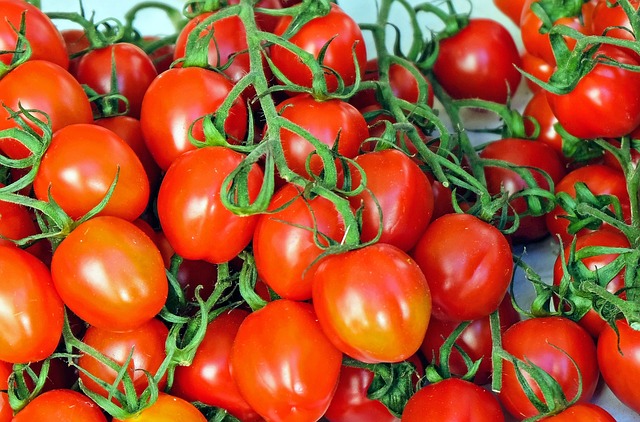
The square footage of my vegetable garden is about the same as the square footage of my house. While I do love fresh organic veggies, finding space to grow them indoors during the winter can be a bit of a puzzle. One way to maximize indoor growing space is to use hanging baskets.
Getting Ready to Plant
Bigger baskets will give your edibles more room to flourish. Choose baskets that are at least 12 inches deep. Their diameter can be as small as 6 inches, but the bigger you go, the more you can plant.
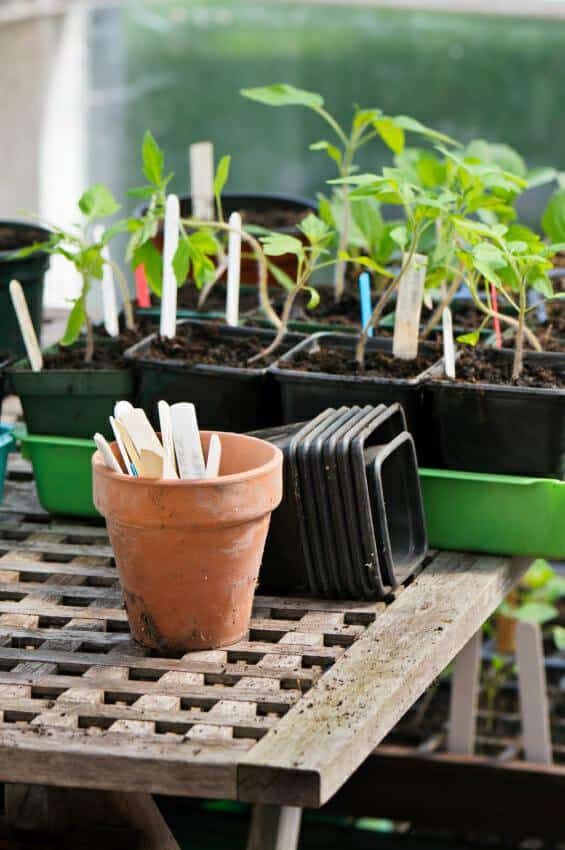
Keep your soil light by using a potting mix, and working in some perlite or vermiculite. Avoid bringing in soil from your outdoor garden, or using soil with clay or loam in it, as those will be heavy. Work some fertilizer in before planting to give your edibles a strong start.
Choose a location where your plants will get lots of sun, like a south-facing window. Most edibles need at least six hours of daylight each day, but some require up to 16 hours. Research your cultivars before planting to determine the amount of light needed, but remember that it’s easy enough to attach a small clamping grow light to a basket for supplementary light.
You also should consider your home’s temperature and humidity levels. Most edibles thrive in temperatures ranging from 65 to 75 degrees Fahrenheit, which is the usual range in most homes. Keep in mind that winter air is often quite dry; and placing your baskets near heat vents will cause further drying. Use mulch in to help maintain moisture, and plan to water daily. You also can increase humidity by misting your plants or running a humidifier.
Choosing Edibles to Plant
Dwarf varieties are best for hanging baskets. Compact plants that produce small, light fruits will keep your baskets healthy and manageable. Some plants, like tomatoes, have varieties bred specifically for baskets. For others, such as cucumbers, choose cultivars with smaller fruit.
1. Tomatoes
There are lots of great choices when it comes to tomatoes. Florida Basket and Micro Tom are just two of the varieties bred for baskets and pots. Tomatoes that mature early, such as Tumbler F1 and Tumbling Tom, are also good choices for growing indoors.
Looking For Non-GMO Herb Seeds? Get Them From A Family-Owned Company You Can Trust!
Tomatoes need at least eight hours of light each day, and should do well in a south-facing window for most of the winter. On the darkest days, supplement with a grow light if necessary. They are heavy feeders, and you should start fertilizing them twice a week once the plants are about three inches tall. Because there aren’t any insects or wind to do the job, you will need to hand pollinate your plants once they flower. Simply tap the flower stem to dislodge the pollen; or, if you like, you can use a cotton swab to transfer pollen from one flower to the other.
2. Peas and beans
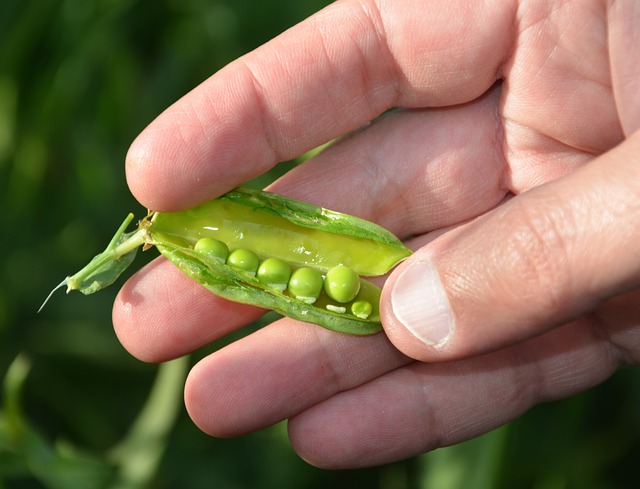
As a cool weather crop, peas are particularly well-suited to growing indoors during the winter. Since they can tolerate light frosts, you don’t need to worry about the vines getting too close to frosty windows. Keep your beans more protected, though, because they prefer warmer temperatures. Both peas and beans require only about six hours of sunlight daily. Plan to water once a day and fertilize once a week for best results.
3. Cucumbers
Choose your cucumber varieties carefully. Some, like Carmen, are bred to grow indoors — or, rather, in greenhouses. These cultivars have a high propagation rate, high yields, good disease resistance, and most importantly for the indoor gardener, they self-pollinate. However, Carmen produces large 14-16 inch fruit, which will be difficult to manage in hanging baskets.
Regular outdoor varieties will have lower yields, and you’ll need to help the pollination process along. However, a variety bred for planters (like Patio Snacker), or one that produces small fruit (like County Fair Hybrid) are excellent choices to grow indoors.
This New All-Natural Fertilizer Can Double Your Garden Yield!
Cucumbers require only moderate amounts of light (5-6 hours daily), but they bask in warmth. Plan to water daily and increase watering once the plants flower. Indoor cucumber plants should be fertilized once a week.
4. Salad greens
Lettuce and other salad greens like kale and spinach are cool weather crops, and are well-suited to growing in your home’s cooler nooks and crannies. They are also very easy to grow from seed. However, these veggies do need a lot of light — 14 to 16 hours a day is ideal. If you’d like to grow salad greens indoors, plan to attach a clamping grow light to your basket. Since salad greens need a moist environment in which to germinate, mist the soil frequently.
5. Strawberries
Strawberries grow well indoors as well as in hanging baskets. The best variety for indoor baskets is the Alpine strawberry, which produces small, fragrant and flavorful fruit. Strawberries do just fine in regular indoor temperatures and need only six hours of sunlight per day. Plan to fertilize about every 10 days, and break out your cotton swabs, because you’ll need to pollinate your strawberries as well.
Even with decreased amounts of sunlight, low humidity and frosty windows, it’s possible to grow some fruits and vegetables indoors during the winter. Use hanging baskets to maximize your growing space — and your harvest. Why spend your winter daydreaming about next year’s garden? Just go ahead and break out those seed catalogs now.
What do you grow indoors during winter? Share your tips in the section below:
Bust Inflation With A Low-Cost, High-Production Garden. Read More Here.