 Print
Print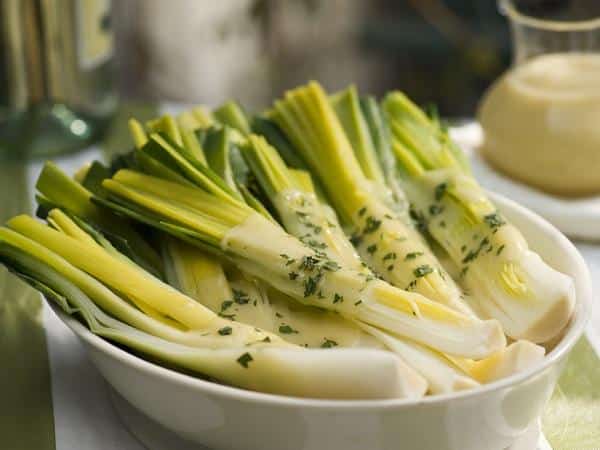
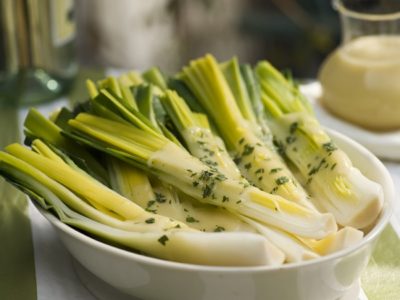 They’re expensive to buy in the grocery store, but extremely cheap to grow at home. This member of the onion family is nearly a four-season crop, and makes a perfect addition to your winter soups, stews and more. If you want to add them to your upcoming spring garden, you’ll want to start planning now.
Easy to Grow and Delicious to Eat
Leeks are easy to grow and are a welcome addition to any garden. Cooks love them because they’re a delicious substitute for onions in any recipe or dish. Many people, not just foodies, think the savory yet mild flavor of the leek is superior to the flavor of the traditional onion. Doctors and dieticians say leeks are easier on your digestive system than onions.
Leeks grow best in cool weather, making them an excellent spring and fall crop for warmer climates. There are several varieties of leeks, allowing you to grow them nearly year round in many cooler climates. Summer leeks are fast growers, faster than traditional onions, and are ready for harvest just a mere 60 days after planting. Other slower-growing leek varieties can be harvested all during fall and into the early winter. Leeks also store nicely and can be kept for winter use until the spring garden is ready to grow them again.
Growing Tips
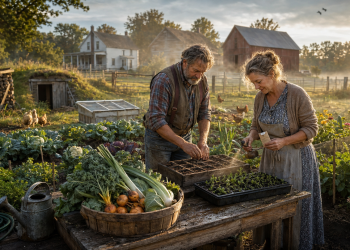
To start your leeks from seed, you should begin sowing seeds indoors in late winter. (Leek transplants are available but not always easy to find.) You will need bright fluorescent lights or a very sunny south-facing window for best results. Harden off your leek seedlings approximately a week before you transplant them. Transplant into rich, fertile soil in deeply dug beds. Space your leeks approximately 4-6 inches apart. Apply an organic fertilizer after transplanting.
New Survival Seed Bank™ Lets You Plant A Full Acre Crisis Garden!
Mulch around your leeks with grass clippings, shredded leaves or organic mulch to help retain soil moisture. Leeks do not like to compete with weeds, so you’ll need to weed your bed regularly for best results or your bulbs will be small. Fertilize your plants again with a liquid organic fertilizer when the leeks are approximately 12-14 inches tall. Continue fertilizing every two weeks until harvest. Leeks are heavy feeders and require lots of water; so never let them get too dry.
Harvesting and storing leeks
You can start harvesting leeks just about any time. Most people let them get to be at least 1 inch or larger in diameter. However, you can eat smaller ones like scallions.
Loosen up the soil around the leeks before you pull them up. Harvest only as-needed when you’re ready to use them in the kitchen, unless you are pulling them up for the season to store for later use. Trim back the roots carefully and gently, and cut back the tops leaving only about 2 inches.
In zones 7 and higher, you may be able to harvest leeks all winter long. In colder areas, you can extend the season by heavily mulching the base of the plant, up to a foot deep. Harvest all leeks before the ground becomes so frozen they become stuck. Dig up and store for later use.
Wash the leek stems thoroughly to remove soil
For short-term storage, you can store your leeks in the refrigerator crisper as you would store your onions. For longer storage, dig them up with roots attached and keep them in a cool, dry place for up to 8 weeks. You’ll want to store them roots-down in a box of sawdust or sand.
You can also dry them in a dehydrator for long-term use. To freeze leeks, slice them and blanch for one minute in boiling water. Drain and allow to dry. Store in plastic freezer bags.
Try adding leeks (fresh, dried, or frozen) to your soups and stews. Leek and potato soup is an all-time favorite way to cook with your leeks. You can steam them, stir-fry them, roast them, and use them in any way you’d use an onion. My favorite way to use leeks, aside from leek and potato soup, is to use them in homemade quiche. Delicious!
Sign up for Off The Grid News’ weekly email and stay informed about the issues important to you