 Print
Print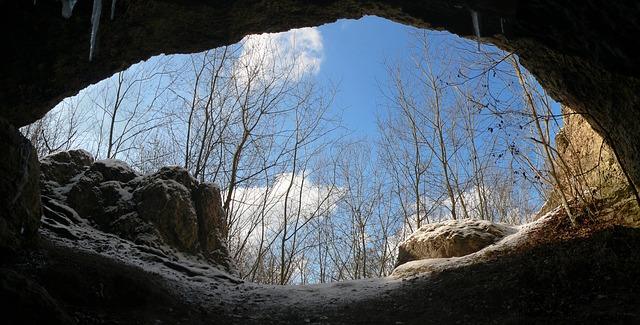
I’ve been in survival situations numerous times — usually because of bad luck or sheer stupidity. The two worst ones occurred in winter, and, thankfully, I survived.
Winter is unforgiving in a survival situation. The only advantage is that the snow and ice are delivering you a regular water source that’s typically safe to drink when melted. After that, everything else is worse.
The critical first step is staying warm, building a fire and sustaining it. But there’s a second priority that’s equally important: shelter.
But before you exhaust yourself scrambling to find the branches, boughs and other materials to build a shelter, take the time to look for a natural shelter.
1. Low-growing pines
You may have seen a pine tree with its boughs overloaded with snow. It’s not an inviting sight, but if you spread the boughs and look at the base of the tree you may be surprised to see dry ground around the trunk. This is one of the ways that nature can provide you with an instant shelter that will protect you from the wind and snow.
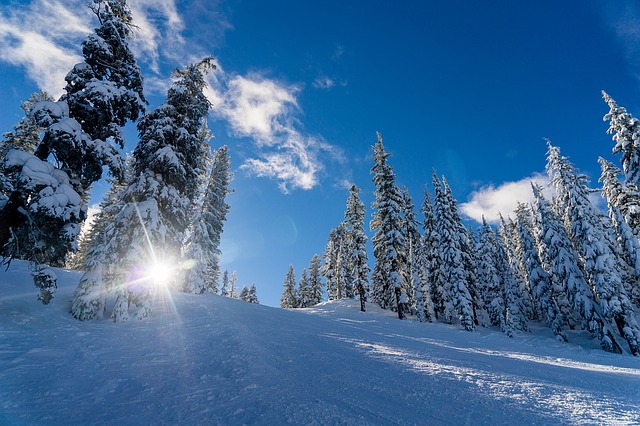
If you cut away a few low-hanging branches you can build a fire that will provide some heat.
2. Large deadfalls
A large tree, whether it be a pine or deciduous, will often create a natural canopy over an area of ground if it has been toppled. Here again, you’re looking for that precious bare ground that says it may stay that way over a period of time. You could carefully clear some branches for a fire to provide some heat, but you’ll need to guard against snow melt.
3. Root cavity of large uprooted trees
We have a cabin in Michigan. One summer, a violent windstorm uprooted a monster oak not far from the cabin. It was a green tree, so I was going to wait until the next summer to cut it up. During the winter, I was walking and noticed the snow-covered and sand-encased roots forming a natural canopy over the hole left by the roots. It was dry and no snow had entered. I climbed down and was surprised that the sand was still soft and unfrozen. It was cozy but a bit claustrophobic. In an emergency, I would have gotten over that fairly quickly. It was my first experience in a literal root cellar.
Learn The Secrets and Tricks Of The Word’s Top Survivalists!
Large uprooted trees are fairly common in heritage forests, so keep a look out and you might find your own natural root cellar as a winter shelter.
4. Caves
If you’re fortunate enough to find a cave, you’ve found nature’s natural penthouse. However, advance cautiously. You’re not the only animal in the woods trying to survive the winter, and some of the other animals have bigger teeth.
Caves are also ideal for capturing the heat of a fire. Build the fire as large as you want.
5. Rock canyons
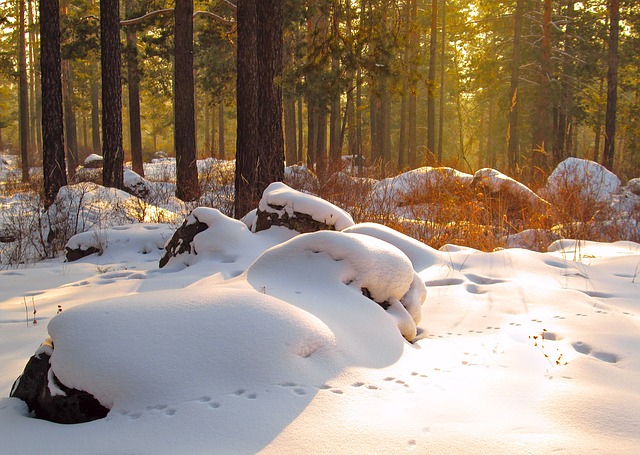
In some parts of North America there are natural rock canyons. They’re often narrow in parts and both the snow and wind have a hard time getting into them. That’s a good thing. Here again, you can haul in your firewood and build a significant fire to stay warm. If you’re worried about animals using your canyon as a pathway at night, build fires on either side of you in the canyon. Just make sure they’re small enough so that you can jump over them.
6. Rock overhangs
There are occasions along a cliff face that a natural depression will occur, resulting in an overhang. It’s not as cozy as a cave, but it could protect you from precipitation and the wind, depending on the wind direction. It’s also a good environment to enjoy the heat of a fire; the rock at your back and around you should reflect the heat nicely. You just have to hope the wind doesn’t shift and fill your little enclosure with snow drifts.
7. Large boulders
It’s a bit odd to be walking through the woods and encounter a large boulder in the middle of nowhere. It’s so odd that geologists call them “erratics.” They’re erratic because they don’t geologically belong there. They were delivered by the glaciers as they advanced south during the Ice Age.
An erratic has some benefits. For one, the leeward side (the side opposite the wind) will often have less snow on the ground and will protect you from the prevailing wind. It also can serve as an excellent heat reflector. You can sit with your back against the wall of the boulder, and the fire will heat you and the rock face. Or you can build the fire at the base of the boulder to allow the rock to act as a huge reflector. This assumes you have a clear night without precipitation.
Do you know of other instant and natural winter survival shelters? Share your tips in the section below:
Learn How To ‘Live Off The Land’ With Just Your Gun. Read More Here.