 Print
Print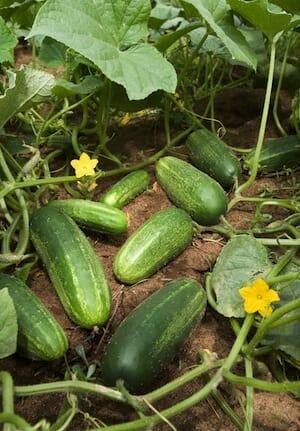
I don’t mean to brag or anything, but I’ve got a few good-looking cousins, and many of my cousins have been blessed with a healthy batch of good-looking kids. A few weeks ago, I got reminded of that fact when I arrived up in New England for a family reunion.
A lot of folks who meet me for the first time have a bit of trouble trying to nail down where I was born and raised. To hear them tell the tale, I talk funny, and having heard myself on tape and on video, they’ve got a good point. I’ll be the first to admit that my mouth often spouts a mangled mix of accents. I spent about the first seventeen years of my life growing up in a small town in Massachusetts, not too far from the New Hampshire state line. Back in 1968, I went into the Army, and when I got back to the States I started roaming around. Since then, I’ve lived in the mid-West, out on the West Coast, down in the sunny South, and a few other places.
I didn’t really settle down until I set down roots here in North Carolina in 1994.
 While my original New England accent was getting twisted by dozens of other ways of talking, a good portion of my extended family settled in New Hampshire, Maine, and Massachusetts. So, when we all decide to get together for a week or so, it makes much more sense for me to drag these old bones up there than for the whole brood to wander down here.
About this point in my bi-weekly ramble, some of you are probably wondering what all this has to do with cukes?
Well, I’ve spent the past week or two looking at pictures of our gathering that various family members have either posted online or emailed to me personally, and I got to thinking that I’m kind of the cucumber of the whole bunch. Photo after photo shows a bunch of handsome guys and beautiful women surrounding the stubby, slightly gnarled fellow who happens to be writing this piece. I imagine that’s how the humble cucumber feels when it looks at its family pics.
By itself, your basic cuke looks okay, but surround it with a few exotic, multi-colored squash; a vibrant orange pumpkin; a plump, juicy watermelon; a well-shaped zucchini or two; and some fancy melons; and the cucumber seems to lack a certain measure of pizazz. Let’s face it—the cucumber family contains some of the flashiest members of the whole vegetable kingdom.
When it comes to popularity, though, cucumbers outshine all other family members. Only tomatoes, cabbages, and onions are more widely cultivated on a world-wide basis. Folks like their cukes, whether they’re fresh or pickled. There are several good reasons to like this unspectacular-looking vegetable. They are a great source of some unique polyphenols called lignans. Research is showing that the three lignans found in cucumbers, lariciresinol, pinoresinol, and secoisolariciresinol, not only reduce your chances of developing cardiovascular disease, but they may also provide a measure of protection against developing prostate, ovarian, uterine, and breast cancer. In addition to the healthy polyphenol dose, cucumbers also contain vitamin C, molybdenum, vitamin C, and a decent mix of vital minerals.
If you decide to peel your cukes, though, you lose a big portion of these benefits. That’s another good reason why you should grow your own. Supermarket cukes are often waxed with artificial substances that may contain pesticide residue and some other nasty stuff. Much to my dismay, I’ve also seen a fair share of organic cucumbers coated with wax. This wax might be friendlier to your body, but why consume any wax at all? When you use a natural organic fertilizer like Protogrow, avoid ugly pesticides, and garden in naturally enhanced soil, you can just rinse your cukes off and eat them without worrying about consuming a whole lot of stuff that negates the natural benefits of this healthy and tasty vegetable.
Those of us who tend a survival garden to maintain a reliable food source love the winter squashes in this family. We leave them to mature on the vine for a decent spell, and they develop a good tough skin that helps them store better. You want to harvest your winter squash before the first frost and cut them with a long stalk, leaving part of the vine attached. I recommend storing them on slatted shelves or in nets in a cool, dark place. Well-ripened winter squash and pumpkins will last about six to nine months under these conditions and provide some good eating.
Summer squash and zucchinis have thinner skins and are best consumed when they are young. If you live in warm climate, though, you’ll probably be getting new veggies off the vine in a decent (if not overwhelming) quantity right up until the weather starts getting chilly.
All members of the cucumber family tend to do best if you mix some compost into the soil before planting and add a balanced, organic fertilizer to the mix. Unlike many other vegetable families, you really don’t need to concern yourself with fertilizer much after you’ve got these family members up and growing. The exception to this rule is if you’re trying to grow competition-size pumpkins and watermelons. Since monster vegetables generally don’t make good eating, I’m not going to spend any time on those growing techniques here, but you’ll find plenty of information and a great deal of differences of opinion about this topic available in different places online. I’m not saying it isn’t fun trying to grow the biggest pumpkin or watermelon in your neighborhood, town, or state, and if you’re so inclined and have the time, by all means, enjoy the experience. Just don’t be too disappointed if your big, bad beast isn’t as delicious as it looks.
One more note on my favorite winter squashes is in order before I let you go; the tough, leathery skin of these beta-carotene rich bundles of joy can present quite a challenge to some people. I’ve seen folks try to slice them open with knives that could be sharper and gash themselves pretty good. My advice is to put your winter squash in a 375-degree oven for about twenty minutes or so before you introduce it to knife. This softens the skin up, allowing you to cut the squash in half, scoop up the seeds, and resume cooking until the flesh is tender and tasty.
Well, that’s about it for me today. On behalf of my entire somewhat attractive family, I’d like to send best wishes to you and yours for prosperous, productive, and pleasant time in your survival garden. Take care of each other and always remember that old saying: “Families are like fudge—mostly sweet with a few nuts.”
©2011 Off the Grid News