 Print
Print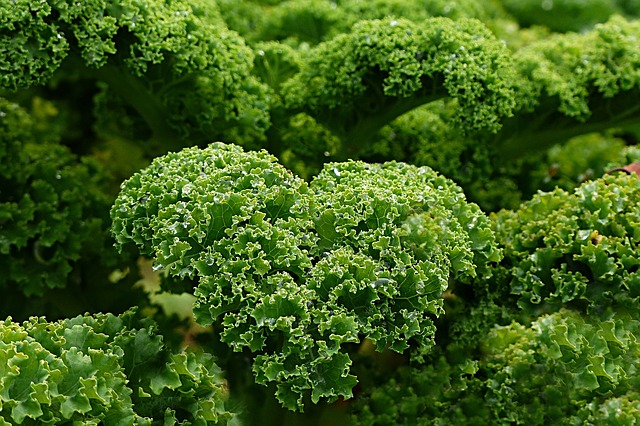
“Super Kale” is the hero of the vegetable kingdom. Well, it isn’t really called “Super Kale,” but it should be. This simple, sturdy plant has spread throughout the world and become a staple on healthy living menus. It is easy to grow, harvest and cook. Its nutrient-rich leaves hold an unbelievable amount of wholesome goodness. Kale brings a whole new meaning to the word “variety.” Let’s take a closer look at why it’s in such high demand.
Kale is a unique member of the cabbage family and is related to broccoli, cauliflower, Brussels sprouts and collards. The leaves can be green or purple, curly or smooth. Kale has sturdy, ruffled leaves. It is hardy and easy to grow, and you can harvest it – even throughout the winter.
Kale does well in cool weather, and its flavor really seems to come out after a few good fall frosts. Incredibly, some say it can survive in temperatures down to -10 degrees Fahrenheit.
A few of the most common types of Kale are White Russian, Scotch and Curly Kale. There is also the Siberian or Napas variety.
You can make many different foods with kale, including chips, smoothies, salads and stir fries.
The benefits of Kale are really limitless.
Get Non-GMO Kale Seeds Right Here!
It includes vitamins A, K, C, B1, B2, B3 and B6. Kale actually has 4.5 times the amount of vitamin C than spinach. Iron, manganese, calcium and copper are also found in kale. It also has potassium, phosphorus and magnesium.
It is high in anti-oxidants, omega-3 fatty acids, fiber, protein and water content. Kale has a low-energy density. The combination of all of these benefits makes kale great for a food to help lose weight.
It seems kale can also be used to help combat a number of ailments. The antioxidants in this vegetable assist in preventing cataracts and macular degeneration of the eyes. The magnesium in kale helps protect against type 2 diabetes and heart disease. Kale even protects against certain types of cancer by fighting the formation of cancer cells. Steamed kale helps the liver with bile. You can eat something tasty and healthy by adding kale to your diet.
Kale Growing and Care
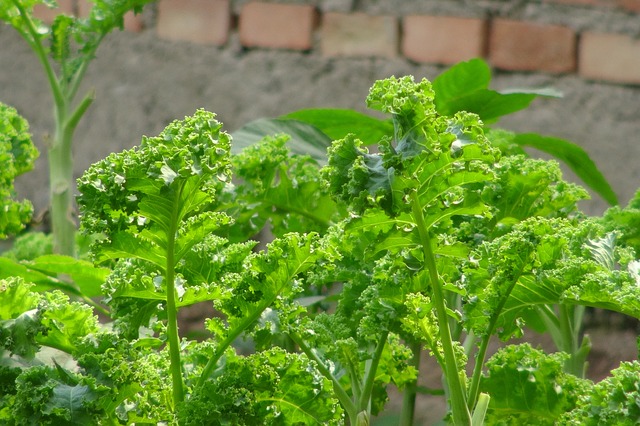
Kale likes the sun, but doesn’t do well in dry soil or scorching temperatures. The soil in which kale is planted should drain well, and it should be grown in an area where it is sheltered from the wind. You will need to space your kale plants 14 inches apart and keep the rows at two feet apart. If you are buying seeds from the garden center, you can check the varieties of kale to see which one will grow the most successful in your area.
This New All-Natural Fertilizer Doubles Garden Production!
Kale usually matures between 50 to 80 days.
Try to time the planting of kale to let it mature in cold weather. Although it is usually planted during the spring or summer for a fall harvest, it can still survive through the winter. If you plant it outside for use during winter, try covering it during extreme weather with cloches or row covers, or in a cold frame. Gardeners in Alaska eat fresh kale during the winter.
Mulching is important, as the roots grow around the plant and only a few inches under the soil’s surface. This will keep the soil moist, cool and add nutrients. Kale can also be covered with straw or even left alone in the snow if it is an established plant. Sometimes a layer of snow actually creates a protective layer over kale.
Some gardeners recommend starting Kale inside in planters, and then plant outside before the first frost. Plant the seedlings up to the first leaves to add support and strong roots.
Leave kale for harvesting until a couple of good frosts pass by. The cold brings out natural sugars in the plant and makes it tastier. To harvest, pluck one leave at a time, as often as you need, but don’t touch the bud at the centre of the plant.
After reading about kale, it’s easy to see why this one vegetable is so popular. By adding it to your garden, you can enjoy kale’s “super powers” for yourself.
Have you planted kale for harvesting during winter? What are your tips? Share them in the section below:
Learn Dozens Of All-Natural Gardening Secrets. Read More Here.