 Print
Print
If you are into saving money and making the most of natural resources – and who isn’t? – then you may be overlooking some readily available and renewable options. In fact, you may be flushing one of them down the toilet or throwing the other one away when you clean your brushes and combs.
Yes, human urine and human hair can be surpassingly effective in your garden as deterrents to pests and as fertilizers.
Human Urine in the Garden
Contrary to what you might think, fresh human urine is clean and bacteria-free. It is only when urine is stored for more than 24 hours that it gets that familiar, unpleasant odor. Healthy human urine is about 95 percent water, 2.5 percent urea and 2.5 percent a mixture of hormones, minerals, enzymes and salts.
Seamazing: The Low-Cost Way To Re-mineralize Your Soil
In his 1975 study “Urinalysis in Clinical Laboratory Practice,” Dr. A. H. Free detailed some of the nutrients found in human urine, including creatinine nitrogen, urea nitrogen, uric acid nitrogen, amino nitrogen, ammonia nitrogen, chloride, sodium, magnesium, potassium, calcium, inorganic phosphate and inorganic sulphate. Plants require all of these macronutrients.
The only real problem with the use of human urine as a fertilizer is the potential for excess nitrogen and inorganic salts. Soil conditions as well as rainfall and watering – in addition to the needs of your particular plants – should come into consideration when using human urine as a fertilizer, but diluting the urine usually takes care of the problem.
A ratio of one part urine with 10 parts water helps mitigate the excess nitrogen and reduces the chance of offensive odor as well.
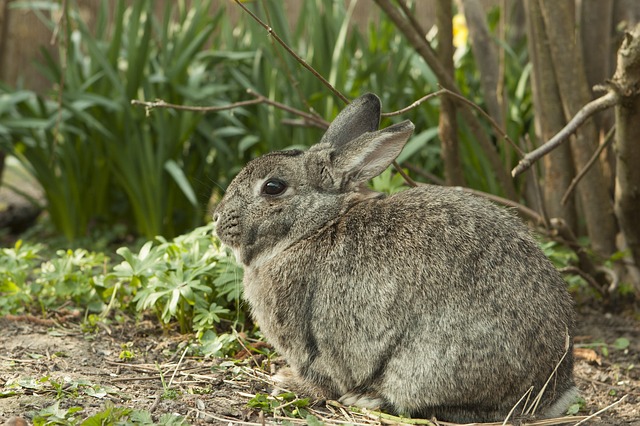
Speaking of that odor, dilution will make the urine undetectable to the human nose, but garden pests will still be able to smell it. And that’s a good thing. Rabbits, deer, groundhogs and skunks dislike the smell of human urine and tend to stay away from it.
Try spraying your urine solution around the perimeter of your garden to discourage these unwelcome guests. Another option is to place cotton balls soaked in the solution around the edges of your garden, perhaps in disposable containers if you’re really squeamish. Human urine and hair (below) are particularly helpful if you have a garden that you can’t monitor on a daily basis. In fact, many gardeners say urine and hair are the only deterrents that work.
A few words of advice:
- Use only healthy, fresh human urine
- Use a spray bottle or bucket that is clearly labeled and dedicated for this purpose
- Reapply after rainfall or irrigation
- Some gardeners believe that male urine works better than female urine as a deterrent for pests.
Human Hair in the Garden
Another renewable resource for your garden is on the top of your head. Human hair can deter animals and work as a fertilizer for your garden. Working as a natural mulch, human hair adds nutrients to the soil as it decomposes. You can sprinkle it throughout your garden.
 Mississippi State University researchers found that human hair has significantly more nitrogen than manure, and therefore can serve as a natural replacement for some traditional fertilizers. In the study, researchers compared the use of human hair with commercial fertilizers on the health and productivity of lettuce, yellow poppy, wormwood and feverfew.
Plant yields were higher for the hair-fertilized plants when compared with the untreated control plants, overall, but were lower than for the lettuce and wormwood plants treated with commercial fertilizers. However, the yellow poppy saw higher yields with the hair treatment. Results did not differ with the feverfew.
The researchers concluded that since lettuce and wormwood are fast-growing plants, the time it takes hair to degrade and to release nutrients was a factor in the study results. Human hair, as a fertilizer, breaks down very slowly.
A report published in the journal Hort Technology found that human hair contains all the organic nutrients plants need to grow, but it takes a month or more for those nutrients to decompose into an inorganic form plants can use. The report suggested that hair is a good fertilizer for slow-growing plants such as basil, sage and certain ornamental shrubs. For quicker-growing plants, try mixing hair with other fertilizers for the first few weeks.
Another potential problem of using human hair in your garden is the effect of any styling chemicals on your plants. Be sure to use unwashed hair that is free from sprays, coloring or other additives.
Need Non-GMO Seeds For Your Organic Garden? The Best Deals Are Right Here!
Just as with human urine, human hair can serve as a deterrent to animals, especially snails, rodents, rabbits and deer. In addition to sprinkling hair in your garden, you can tie cheesecloth or nylon bags filled with unwashed hair onto posts or branches near your garden to deter animals.
Upon request, barbers and hair salon will save some of the snipped hair they sweep off their floors for you. Since it is unlikely this hair is chemical-free, it’s best to use this hair as a deterrent instead of a fertilizer, however.
A few tips:
- Human hair will lose its scent within a week or two (less in rainy conditions) and will need to be replaced frequently.
- Save clippings from shaving to add to your hair collection.
- You can also mix dog and cat hair with human hair in your garden.
If you’re struggling to keep pests out of your garden this year – or you’re looking for a cheap fertilizer — then give these overlooked solutions a try.
What advice would you add? Share your tips for using hair or urine in the section below:
Bust Inflation With A Low-Cost, High-Production Garden. Read More Here.