 Print
Print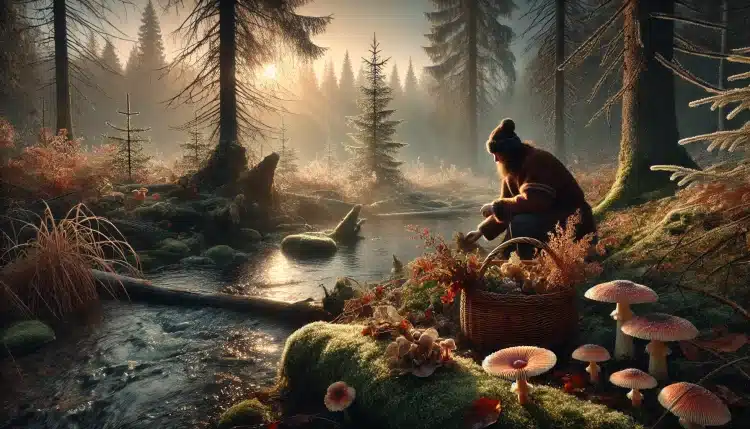
Gathering Nature’s Last Gifts Before Winter
When the air turns sharp and woodsmoke hangs in the wind, the world starts to exhale. The trees let go, the light softens, and the land slips toward its long rest.
But for homesteaders and foragers, this isn’t the end of the growing season—it’s a quiet invitation. Late fall foraging is nature’s last open hand, offering her final gifts before the snow seals the world in white.
Everywhere you look, the season hums with transition. Leaves crunch underfoot, geese cry overhead, and the damp scent of earth fills the air. The garden might be asleep, but the wild edges—the fencelines, creek banks, and mossy woods—are still whispering, “Look a little closer.”
A Season Still Full of Life

Even as frost silvers the grass, life clings to the corners of the world. Down by slow-moving streams or in the shade of old fences, you’ll still find chickweed, curly dock, sheep sorrel, and plantain stretching out their last bursts of green.
After a rain, they perk up again—tender, mineral-rich, and earthy with just enough bitterness to wake up your blood before winter.
Under the leaves, the forest drops its hidden treasures—acorns, hazelnuts, hickories, and black walnuts. Crack one open, and the air fills with that deep, toasty scent only the woods can make. If you’re lucky, you might even spot a few late apples softened into honeyed sweetness, or wild persimmons that taste like caramel sunshine. Along tangled hedgerows, rose hips glow like coals after a fire.
Digging Down: Roots, Tubers, and Bark
Once the leaves fall, life dives underground. That’s your cue to grab a shovel. Now’s the time to dig dandelion, burdock, wild carrot, and Jerusalem artichoke. Each root is packed with the plant’s stored strength—minerals, starches, and the earthy medicine your body needs to ride out the cold months ahead.
It’s slow, grounding work. The soil smells like rain and iron, and the roots stain your hands brown. But each one you lift is a tonic waiting to happen. Just tread carefully—poison hemlock looks deceivingly similar to wild carrot, and one careless mistake can turn a good day dark fast.
This is also when bark harvesters get busy. As the sap slows, it thickens with the plant’s healing compounds. Willow, birch, and Oregon grape bark are at their medicinal peak now. Peel back Oregon grape bark and you’ll see that deep yellow glow—berberine—one of the strongest natural antibiotics you can find, hiding in plain sight on a mountain hillside.
The Hidden Bounty of Cold-Weather Mushrooms
Most mushrooms bow out after the first frost—but not all. In the hush of the late-season woods, you might spot yellowfoot chanterelles shining like candlelight under the moss, or lion’s mane tumbling down an old beech like frozen waterfalls. Turkey tails fan across fallen logs in waves of gray and gold, ready to brew into immune-boosting teas.
If you stumble on a bright orange lobster mushroom or a red beefsteak fungus gleaming on an oak trunk, count yourself lucky. Slice the beefsteak and it looks like rare meat—tangy, chewy, strange, and wonderful. Old Man of the Woods, gray and scaly, might show up too.
Some call it ugly, others call it perfect—but that’s the charm of wild food. It keeps you guessing.
Evergreen Medicine and Forest Remedies
By late fall, the only green left in the forest stands tall and silent. Pines, spruces, and firs—evergreen sentinels—carry the season’s last medicine. Snap a needle and breathe in that citrusy, resin-rich scent that clears the lungs and lifts the spirit. These trees hold their power year-round: vitamin C, antiseptic oils, and the kind of clean that feels like breathing through snow.
You can steep the needles in hot water for tea, or infuse them in honey for a syrup that smells like Christmas morning. A spoonful soothes coughs, clears sinuses, and warms you from the inside out.
For a simple home remedy, simmer a handful of needles in water and lean over the pot with a towel over your head—the steam will open your lungs and fill your home with the perfume of the forest.
The Last Fruits of Fall
Once the frost settles in, sweetness gets rare—but not gone. Hawthorn berries, deep red and tart, hang in clusters along the hedges. They’re one of the oldest heart tonics known to herbalists. Cook them down into chutney, syrup, or cordial, and you’ll capture the taste of autumn itself.
Then there are rose hips, those glowing little embers that ripen after the frost. They’re loaded with vitamin C and taste like tangy apple peel. Just remember to scoop out the hairy seeds inside—they’re the same stuff that made old-fashioned itching powder famous.
Dock seeds, meanwhile, can be toasted and ground into a dark flour that smells faintly of chocolate and coffee. Mix it into bread or pancakes, and you’ll taste the earth’s last breath of fall.
Nuts, Milk, and Forest Flavor
By November, you can almost set your watch to the sound of falling nuts. Hickories are the prize. When they hit the ground, their green husks crack open to reveal sweet, hard-shelled gems. The good ones sink in water and feel heavy in your hand. Crack them open—if you’re out in the woods, a hammer works fine—and you’ll find a taste richer than any store-bought nut.
Old-timers have a trick worth remembering: simmer cracked nuts and shells in water for an hour or two. What rises to the surface is hickory milk—a creamy, smoky, slightly sweet drink that tastes like liquid forest. Sip it by the fire and you’ll know why it’s been passed down for generations.
Foraging With Care
As the season fades, foraging becomes a little more serious. Cold-weather plants change shape and color, and the risk of mistaken identity grows. Always double-check your finds with a good field guide or a local expert before you eat or brew anything new. And as always—take only what you need, and leave the rest for the deer, the birds, and the next forager who walks this path.
A woven basket or mesh bag lets air move through your haul and keeps everything fresh. Plastic, though—plastic ruins things fast. Bring warm layers, good boots, and expect mud. The best treasures usually hide off the trail, where the land is quiet and the wild things still feel safe.
The Quiet Joy of the Season
When the garden sleeps and the world slows, late fall foraging invites you to do the same. The work is patient and grounding—the kind of slow rhythm that matches the heartbeat of the earth itself. Every root, nut, or berry you gather feels like a small act of gratitude, a handshake with the season before it slips away.
For off-grid homesteaders, this isn’t just about filling jars—it’s about belonging. It’s the rhythm of woodsmoke, cold hands, and the soft hum of life still pulsing beneath the frozen soil.
Even as winter closes in, the land reminds us: there’s always something alive out there, waiting for those who know how to look.