 Print
Print
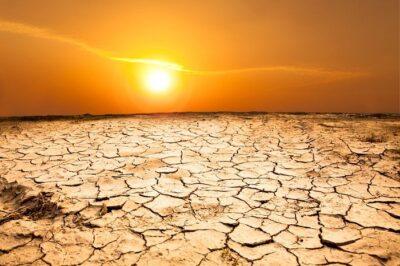
After he announced statewide mandatory water cuts on April 1, California Governor Jerry Brown was criticized for exempting farmers, who use 80 percent of California’s developed water supply.
“They’re not watering their lawn or taking long showers,” Brown told ABC News the following Sunday. “They’re providing most of the fruits and vegetables of America to a significant part of the world.”
If you think California’s water problems are, well, California’s problems, think again. The drought has far-reaching implications for the entire nation’s food supply.
Although known primarily for its almonds and grapes, California grows a staggering amount of the nation’s produce. The state grows 94 percent of our fresh plums, 84 percent of our fresh peaches, 99 percent of our artichokes, 94 percent of our broccoli, 90 percent of our leaf lettuce, 83 percent of our Romaine lettuce, 83 percent of our fresh spinach, 67 percent of our carrots and about half of our asparagus.
The California Central Valley, stretching 450 miles between the California Coast Range and the Sierra Nevadas, produces two-thirds of the nation’s produce and 80 percent of the world’s almond supply.
(Listen to Off The Grid Radio’s in-depth report on the drought here.)
However, while almonds and grapes — which both do well in California’s brief winters and long, dry summers — are particularly suited to the state, many crops, such as lettuce, celery, tomatoes and carrots, can be grown elsewhere.
New Survival Seed Bank™ Lets You Plant A Full Acre Crisis Garden!
And before the 20th century, they did.
Small and mid-sized farms growing fruits and vegetables once were plentiful across the Midwest. Many of those farms, however, have been replaced by fields of corn and soybeans, and from 1996 until the most recent version of the Farm Bill, farmers that grew these “commodity” crops were prohibited from also growing “specialty” fruit and vegetable crops.
From 1995 to 2012, the U.S. government spent nearly $85 billion dollars subsidizing corn, most of which was used as livestock feed or as ethanol. Between 2002 and 2012, the amount of land dedicated to growing the nation’s top 25 vegetables fell from 1.9 million acres to 1.8 million. During the same period, corn production increased in acreage from 79 million to 97 million.
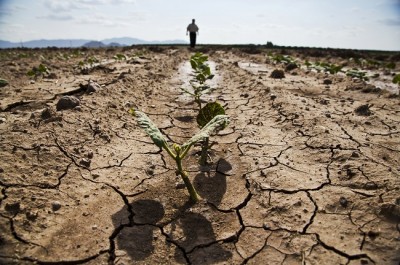
How did this happen? In the days before California became irrigated – to the tune of nine million irrigated acres today – the state’s main crops were corn and wheat using natural growing conditions. By end of the 19th century, however, the grain industry had depleted much of the soil.
Thanks to the transcontinental railroad and new engineering feats, such as the ability to divert rivers, early 20th century farmers discovered they could make a good living growing produce and selling it to East Coast markets.
Today, however, there is much less surface water. NASA reported late last year that California’s Sacramento and San Joaquin River basins, which include the Central Valley, have suffered significant losses. These river basins lost four trillion gallons of water each year between 2011 and 2014. That amount is more water than all 38 million Californians use for their domestic and municipal supplies each year. The state is in the middle of a megadrought, and some scientists even have posited that the state was founded in the midst of an unusually wet period. In other words, what we are experiencing now is the norm.
Discover The World’s Healthiest Storable Survival Food!
Mike Hamm, director of the Michigan State University Center for Regional Food Systems, recently told thinkprogress.org that the U.S needs to regionalize food production “in part to take water pressure off of California and in part to take pressure off of developing countries where we get fruits and vegetables from.”
Michigan is well-suited for growing diverse produce, according to Hamm. He said that Iowa, which historically has had a diverse agriculture but is now dominated by large commodity farms, would have a more difficult transition. “They neither have the land that is producing it, nor do they have the human capital,” Hamm told thinkprogress.org.
The change from a single crop to a more labor-intensive diverse production can happen, however. Former tobacco farmers in western North Carolina, for instance, have diversified in recent years.
Thirty years ago, western North Carolina had about 7,000 tobacco farms. When federal quotas for tobacco farmers that were set up as part of the New Deal were phased out during the George W. Bush administration, the number of tobacco farms had dropped to 94 by the time of the 2012 census.
However, with the help of the nonprofit Appalachian Sustainable Agriculture Project (ASAP), former tobacco farmers began to grow fruits and vegetables for local markets. Between 2002 and 2012, the number of farms there decreased from 12,212 to 10,912, but the number of farms selling produce directly to the local community increased from 740 to 1,190.
According to a report by the ASAP, southern Appalachian farmers found they could provide local communities with nearly 40 percent of their fruit and vegetable needs.
After several years, the California drought shows no signs of lessening. It is time for the nation to make the necessary changes to our food system.
“If we decide we want to change agriculture, I think it’s quite conceivable that we can recreate this whole food system,” Charlie Jackson, ASAP executive director told thinkprogress.org. “We just need to wake up to the fact that we’ve got a problem and start working on it.”
What changes do you believe should be made to America’s food distribution system? Share your thoughts in the section below:
During A Crisis, Which Items Will Be The First To Disappear From Stores? Find Out Here.