 Print
Print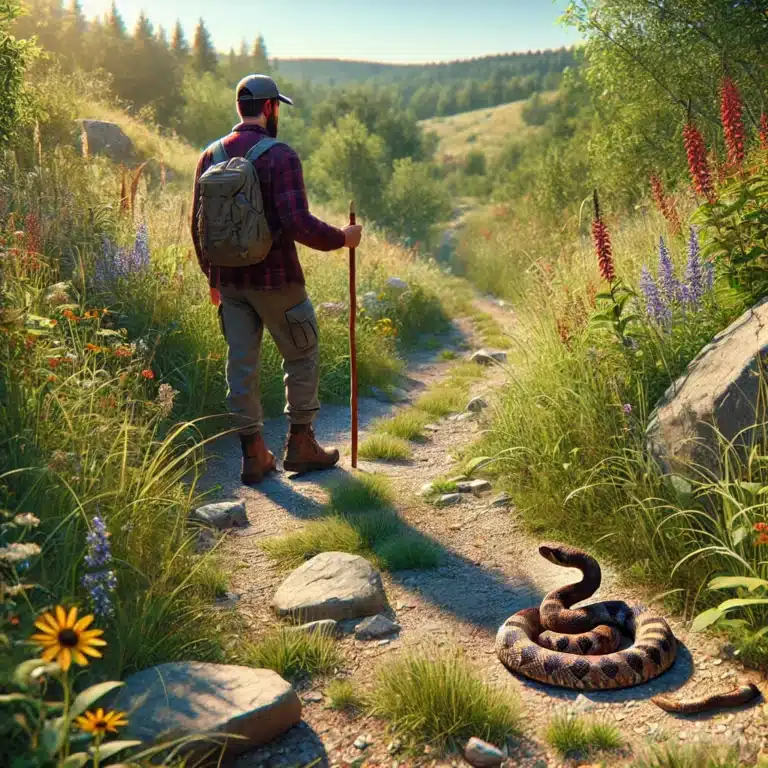
Watch Your Step: Spring is Snake Season
As the weather warms and wildflowers bloom, more people head outdoors to hike, camp, and explore. But humans aren’t the only ones coming out of winter hiding. Spring is also prime time for venomous snakes to emerge from their dens in search of warmth and food.
They can often be found sunning themselves on rocks, trails, or other open spaces. This is nature’s way of helping them regulate their body temperature after months of cold-blooded dormancy.
Unfortunately, these early-season basking sessions can put snakes and humans on a dangerous collision course. Encounters are often accidental, and a surprised snake may strike in self-defense. That’s why awareness is key—not just to protect yourself but to avoid harming these essential parts of the ecosystem.
Know the Neighborhood: Where Venomous Snakes Hide
In the spring, snakes tend to stay close to shelter. Rocky outcrops, fallen logs, tall grass, and brush piles offer perfect hiding—and hunting—spots.
Trails that cut through warm, sunny clearings are popular basking spots, especially in the morning. If you’re hiking or exploring in snake country, pay close attention around rocks, near the edges of trails, or when stepping over logs.
Snakes don’t want to interact with people. But because they blend in so well with their surroundings, it’s easy to get too close without realizing it. Most bites occur when someone accidentally steps on or reaches near a snake.
Spot the Signs: Identifying Venomous Species
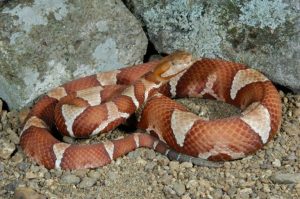
While most snakes in North America are non-venomous and beneficial, knowing which poses a risk is essential. The most common venomous snakes in the U.S. are pit vipers: rattlesnakes, copperheads, and cottonmouths (also called water moccasins). Coral snakes are venomous, too, but much less common.
Here are a few general tips: pit vipers tend to have triangular-shaped heads, slit-like pupils, and thick, muscular bodies. Many rattlesnakes have a rattle at the end of the tail, but not always—and young snakes may not rattle at all.
Copperheads and cottonmouths often display warning postures like coiling or gaping when threatened. Color patterns vary by species and region, so check with your local natural resource agency for field guides specific to your area.
Sunning Behavior: When Snakes Are Most Active
Snakes are most active in the early morning and late afternoon when temperatures are moderate. On cool spring mornings, you may find them stretched out on warm rocks or pavement. Later in the season, as days heat up, they become more active in the early evening.
However, there are steps you can take to minimize the risk of snake encounters. For instance, wearing boots and long pants can provide a physical barrier between you and a potential snake. Additionally, being mindful of where you place your hands and feet, especially when climbing rocks, gathering firewood, or stepping over obstacles, can help you avoid accidentally disturbing a snake.
If You’re Bitten: What to Do and What Not to Do
Despite your best efforts, accidents can happen. If you or someone else is bitten by a venomous snake, time is critical—but so is keeping calm. Look out for symptoms such as severe pain, swelling, and discoloration around the bite area, difficulty breathing, and nausea. These are signs of a venomous snake bite.
Stay still and call 911 immediately. Try to remember what the snake looked like, but don’t attempt to catch or kill it. Keep the bite area at or below heart level to slow the spread of venom. Remove rings, watches, or tight clothing in case of swelling. Do not apply a tourniquet, cut the wound, or try to suck out the venom—these old myths can make things worse.
Remember, medical professionals can administer antivenom and manage symptoms far more effectively than anything you can do in the field. Prompt treatment usually leads to full recovery, but waiting too long can result in serious complications.
Sharing the Outdoors Safely
The presence of snakes doesn’t mean you have to stay indoors. These reptiles are a vital part of God’s created world—they help control pests like mice and insects, which in turn helps maintain the balance of the ecosystem. Most snakes want nothing to do with humans. With a little caution and awareness, you can enjoy the trails and wild places safely, even during snake season.
Use your eyes and ears. Walk with a stick or trekking pole to rustle leaves ahead of you. Teach kids to respect wildlife and never try to handle a snake, even if it looks dead.
And above all, don’t let fear keep you from enjoying the beauty of spring. Just be smart, stay alert, and keep your distance when nature gives you a warning sign.