 Print
Print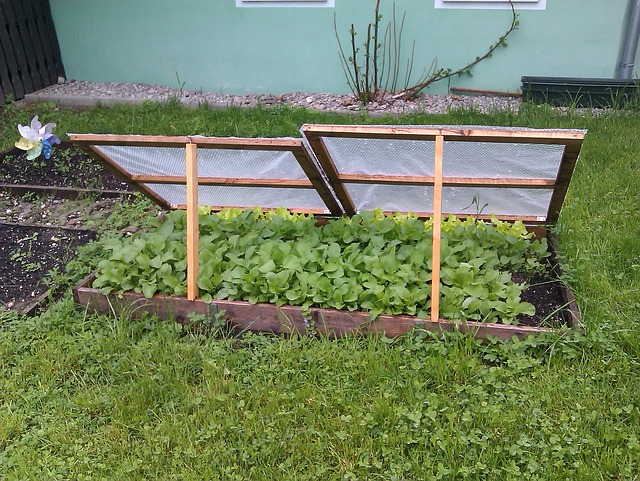
When I was a kid, I assumed you had just a few months to plant, tend to, and then harvest plants and vegetables. I was wrong.
When I started out working for a farmer I was introduced to the age-old “cold frame.” I learned it was a way not only to extend my growing season but also to grow some crops during winter. Cold frames also can help you get an early jump come spring, when you are chomping at the bit to get your spring crops planted.
What is a cold frame, you ask?
Simply put, it is a box-like structure with four sides designed to trap warmth and provide a sanctuary for cold weather plants, with a clear lid. You can build these boxes out of common materials you may already have laying around — such as bricks, spare boards, wood from pallets, plywood and hay. For a lid, I have used windows from car doors, an old window from a knocked down house, Plexiglas, plastic drop clothes and plastic clear sheeting.
Use Cold Frames? Get Your Non-GMO Heirloom Seeds Right Here!
The size of the cold frame depends on the size of the plants you will be growing. Be sure the top to your container is large enough and thick enough to trap the heat. I like to build my containers around at least 24 inches by 48 inches, although some people build them several feet wide. Height is determined by the plants you are growing. The back of the box should be higher than the front and it should achieve a gradual sloping shape. This design captures more light and provides more warmth and nourishment from the sun than if it were just a flat box with a bit of glass atop it. Often after I plant a vegetable in the cold frame I surround it with straw for added insulation.
Some people build a permanent cold frame. But because I live in a warmer climate, all of mine are portable and made from plywood with a folding glass lid.
I place the container facing south. The location must not be in the shade, and it should be in a place that gets the most sunlight during daylight hours. You location should have decent drainage and yet be sheltered from a harsh winter wind.
Plant Care in a Cold Frame

When planting, I remove the first four inches of top soil and lay down a layer of flat rock, and then put the soil back on top. This makes our cold frame into almost an oven. It also allows for drainage after a downpour so as not to flood your plants. You even can place you plants in pots or on trays.
This New All-Natural Fertilizer Doubles Garden Production!
Cold frames are like children and need attention. For example, you will need to follow the weather forecast when planting and tending your cold frames. At times, you need to keep your plants cool, as your cold frame can act as an oven. For summer plants you want you temperature inside a cold frame to be around 70 degrees Fahrenheit, but at least north of 50. For many spring and fall crops, above 45 and under 60 is ideal, although some plants, such as kale, can handle temperatures far less than that.
On days when it’s around 40 degrees outside, keep your top open a few inches, and when it gets close to 50 or 55 degrees remove the top completely. Otherwise, you risk scorching your plants.
When the thermometer plungers into frigid conditions, insulate your plants with straw, newspapers, even blankets. You will lose most heat through the top of the cold frame, so a quilted cover is a great option. Just remember to uncover it come daytime so your plants can again be warmed by the sun. Lastly, keep the snow clear from your frames as that will block heat.
What are your top cold frame tips? Share them in the section below:
Learn Dozens Of All-Natural Gardening Secrets. Read More Here.