 Print
Print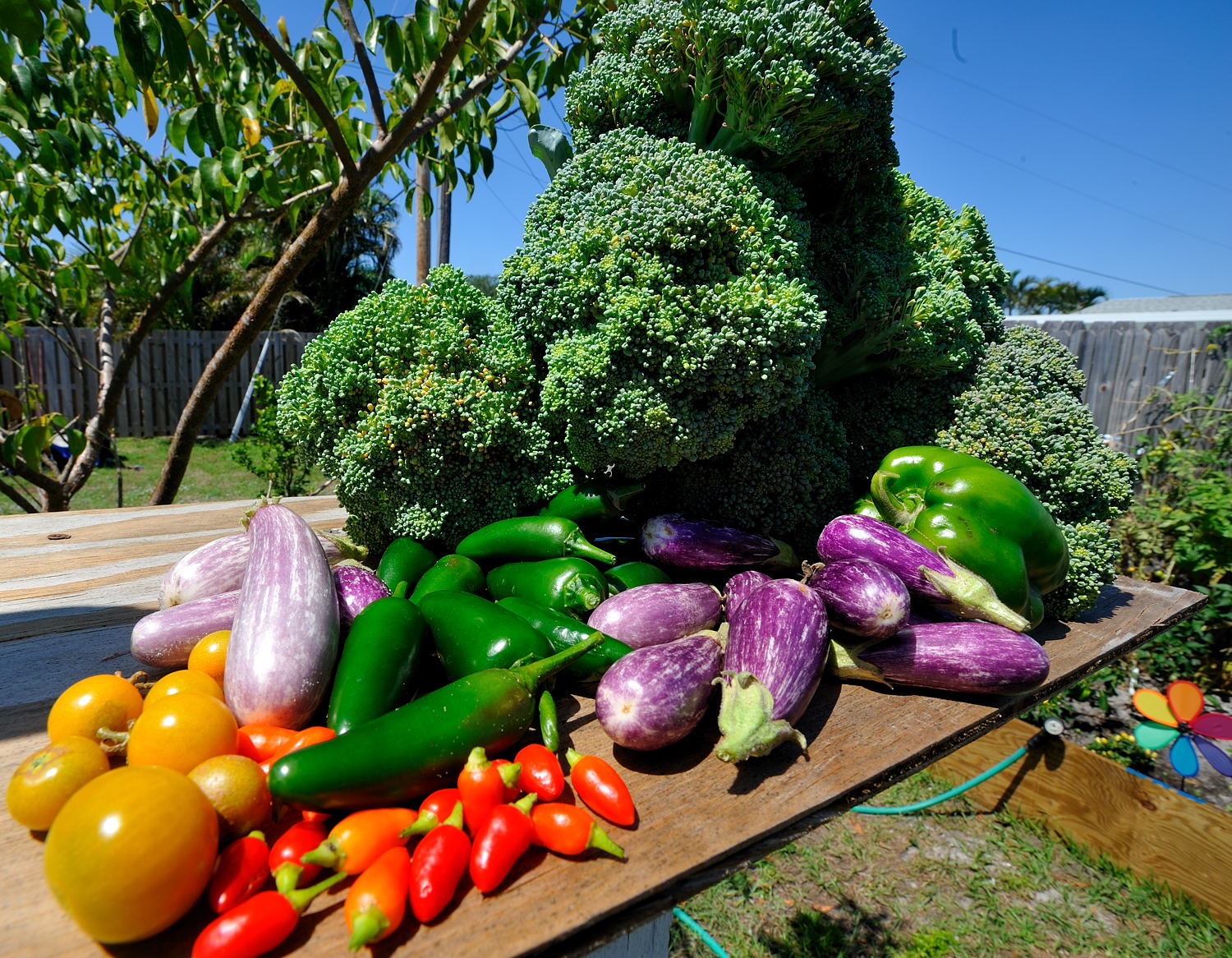
Are you eating healthy and nutritious food? If you get the recommended amount of fruits and vegetables, enjoy lean protein and healthy fats, you are probably going to answer “yes” to that question. Unfortunately, it’s not that simple.
The fruits and vegetables that most of us enjoy today are less nutrient-dense than they were a generation ago. As early as the 1940s, scientists started to notice the alarming trend of less and less minerals and nutrients in the soil – and, as a result, in the food that was grown in that soil.
Studies in North America and in Europe have noted a decline of vitamin and mineral content across a variety of garden crops that has ranged anywhere from 2-84 percent over the last 75 years. In 2006, even the U.N. admitted to a new food crisis which they called “type B malnutrition” which was not due to lack of food but rather to poor food quality.
Why Is Some Food Today Less Nutrient-Dense?
Perhaps the biggest factor in the decline of vitamins and minerals in our food today is due to mineral depletion in the soil. Big Ag – and even some organic farms – often practice monoculture in which a single crop is grown on a piece of land.
The longer this occurs, the less nutrients in the soil. Wild plants (which do not grow in isolation but rather with many other organisms), on the other hand, tend to have a much higher level of nutrition. For example, dandelions have far superior nutrition than conventionally grown spinach, and certain wild native apples have 100 times the nutrition of a Golden Delicious.
The Best Source For Non-GMO Heirloom Seeds Is Right Here!
Another reason for this deficiency has to do with the crops we select. Nowadays, agribusiness – and even many home gardeners – choose varieties that are known for growing fast, big and plentiful. But bigger and faster rarely means better. The longer a fruit or vegetable takes to develop, the more time it has to absorb minerals from the soil. Many heirloom or heritage vegetables, for example, take a longer time to mature but they have a higher nutritional content.
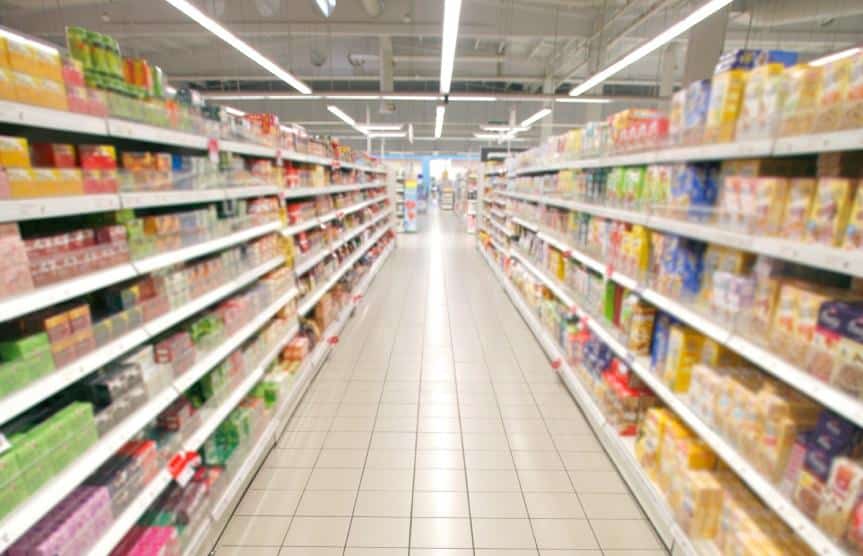
The third reason why many of us are getting less nutritious food today has to do with the way many of us get most of our food – from the grocery store. It is a known fact that the older fruits and vegetables get, the more nutrients they lose. What is less widely known is that by the time much of our produce hits the grocery store shelves, it is already as much as seven weeks old!
So How Can We Get More Nutrient-Dense Food?
There are several steps that the home gardener can take to make sure that they and their family are getting food that is as nutrient-dense as possible.
1. Recognize the Problem
 When a fruit or vegetable is nutrient-dense, it will contain more complex sugars. A simple tool, called a Brix meter, can be used to gauge the sugar content of your garden harvest and give you an idea of how well you are doing with your nutrient density.
Of course, you can also judge the sugar content yourself based on flavor. Have you ever noticed how much better green beans taste when they are fresh out of the garden vs. after they have been sitting for a few days? The difference is not merely in your imagination!
You can train yourself to recognize these subtle flavor differences – though to do so, you may have to give up a lot of sugary sweets.
Color is also an indicator. More vibrant colors often mean higher levels of vitamins A and C.
Inexpensive soil tests can also let you know if the soil in your garden is lacking in nutrients.
2. Feed Your Soil
There are lots of techniques that you can use to re-mineralize your soil. Compost, rock dust and mulching with dynamic accumulator plants are all things you can use to bring micronutrients back into your soil.
The Secrets Of Sea Minerals To Grow More “Nutritionally-Dense Food” Than You Can Possibly Eat!
Some sources also recommend using no-till gardening techniques in order to improve the amount and quality of humus and organic matter in the topsoil.
3. Choose Local Heirloom Varieties
Local heirloom varieties of fruits and vegetables are often slower growing as well as more adapted to the particular climate and soil conditions in your area, and as a result are often more nutrient-dense than other more commercial varieties.
So instead of growing the smooth and perfect looking tomato, choose to grow the one that might be a bit lumpier – but makes up for its imperfect appearance in flavor and nutrient density.
4. Harvest at Peak Time
Finally, harvest your vegetables when they are at their nutritional peak. Iron content, sugars and vitamin levels are at their highest on sunny afternoons. Tomatoes, zucchinis and beans should be picked when ripe, while leafy greens are usually at their best during the “baby stage.” Try to pick them when you are ready to eat them, too.
Remember: Just because the world has seen a decline in nutrient-dense food doesn’t mean you can’t still get delicious and nutritious fruits and vegetables from your own garden.
What are your favorite nutrient-dense vegetables? How do you maximize the nutrients in your garden? Share your advice in the section below: